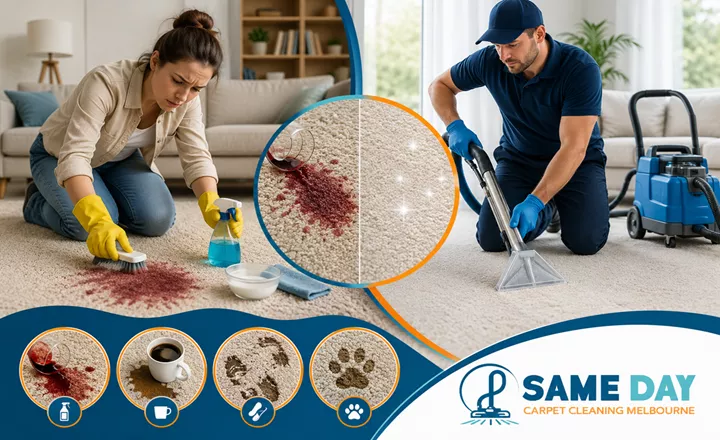


Spill something on your carpet and you’ve got about 30 seconds before the damage gets significantly harder to fix. That’s not an exaggeration — it’s the reality most Australian homeowners learn the hard way, usually after scrubbing a stain into a permanent fixture of their living room floor.
Understanding common carpet stains and how to remove them is one of those things that sounds simple until you’re kneeling on the floor at 10pm with a glass of red wine soaking into your wool-blend carpet. The wrong approach — blotting too hard, using the wrong product, or waiting too long — can turn a recoverable spill into a set-in stain that no amount of DIY effort will shift.
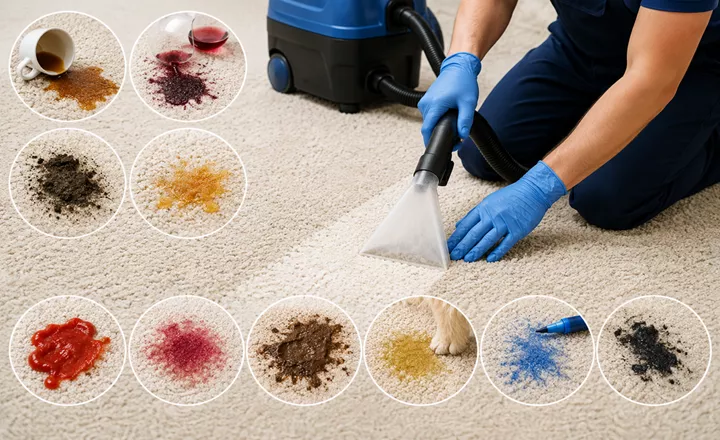
In this guide, we cover the 10 most common carpet stains found in Australian homes — from red wine and coffee to pet urine and grease — and explain exactly how professionals approach each one. You’ll learn which stains respond to DIY methods, which ones need expert treatment, and what products and approachs the pros actually use on the job.
We’ve also pulled in real-world insight from professional carpet cleaning technicians who work across Melbourne, Sydney, and Brisbane every day. If you’ve ever wondered what do carpet cleaners use to remove stains that your supermarket products can’t touch, this article answers that question directly.
Before we get into the stains themselves, it’s worth understanding why carpet stains behave the way they do — because that science is exactly what separates a successful removal from a permanent mark.
Why Carpet Stains Are Harder to Remove Than You Think
Most Australians have been there — a glass of red wine tips over, a coffee spills before work, or the dog tracks mud across the lounge room. Your first instinct is to grab a cloth and scrub. And that’s exactly where things go wrong.
Carpet stains aren’t just surface marks. The moment a liquid hits carpet fibres, it starts wicking downward into the backing and underlay. Within minutes, a stain that looks manageable on the surface has already penetrated two or three layers deep. Scrubbing pushes it further in and spreads it outward — turning a 5cm spill into a 15cm problem.
Different stains also require completely different treatments. A protein-based stain like blood needs cold water and enzyme cleaners. Apply heat to it and you permanently set it into the fibres. A tannin stain like red wine needs an oxidising agent. Use the wrong product and you bleach the carpet or make the stain worse. This is why generic “carpet stain remover” products from the supermarket fail so often — they’re formulated as a compromise, not a solution.
Then there’s the fibre factor. Wool carpets, synthetic nylon, polypropylene, and blended fibres all react differently to the same cleaning solution. What safely lifts a stain from a polyester carpet can strip the natural lanolin from wool fibres, causing permanent damage. Understanding professional carpet cleaning methods and fibre-safe approachs is what separates a clean result from a ruined one.
The bottom line: common carpet stains and how to remove them properly comes down to knowing the stain type, acting fast, and using the right chemistry. The sections below break down the 10 most frequent offenders found in Australian homes — and exactly how professionals tackle each one.
How Australian Climate Conditions Affect Stain Setting
Most carpet stain guides are written for temperate Northern Hemisphere climates. Australia is different — and that difference matters more than people realise. Heat and humidity accelerate the safe solution bonding between spill compounds and carpet fibres, which means a stain that might give you 20 minutes to act in London could be set within 5–8 minutes on a 35°C summer day in Melbourne or Brisbane.
Why Heat Makes Stains Harder to Remove
Heat acts as a catalyst. When a liquid spill hits warm carpet fibres — especially synthetic fibres like nylon or polyester that absorb radiant heat from sunlight — the proteins, tannins, and pigments in that spill begin binding to the fibre structure almost immediately. Red wine, coffee, and pet urine are particularly aggressive in hot conditions because their organic compounds polymerise faster, essentially curing into the fibre like a light varnish.
In Queensland and the Northern Territory, where indoor temperatures regularly exceed 28°C even with air conditioning, this process is dramatically faster than in cooler southern states. A urine stain left overnight in a Brisbane summer can penetrate through the carpet pile, into the backing, and down to the underlay — creating an odour problem that surface cleaning won’t fix. You can learn more about how effective carpet cleaning approachs tackle tough set-in stains when standard methods fall short.
Humidity’s Role in Mould and Odour
High humidity — common across coastal NSW, Queensland, and WA — creates a secondary problem: moisture trapped in carpet fibres after a spill encourages mould and bacteria growth. Pet stains and food spills that aren’t fully extracted (not just blotted) leave residual moisture that, combined with humidity above 60%, can trigger mould within 24–48 hours. This is why professional hot water extraction — not DIY dabbing — is the recommended method for organic stains in humid Australian climates.
Pro Tip: If you’re in a coastal or tropical region, treat any organic spill (food, urine, blood) as a two-stage problem — stain removal first, then moisture extraction. A dry-looking carpet can still hold enough residual moisture to grow mould within two days during summer.
The 10 Most Common Carpet Stains: DIY vs Professional Removal Methods
Not all carpet stains respond the same way. Some lift out easily with cold water and a clean cloth. Others bond to carpet fibres at a safe solution level and need professional-grade extraction to fully remove. Here’s how the 10 most common stains break down — and what actually works on each.
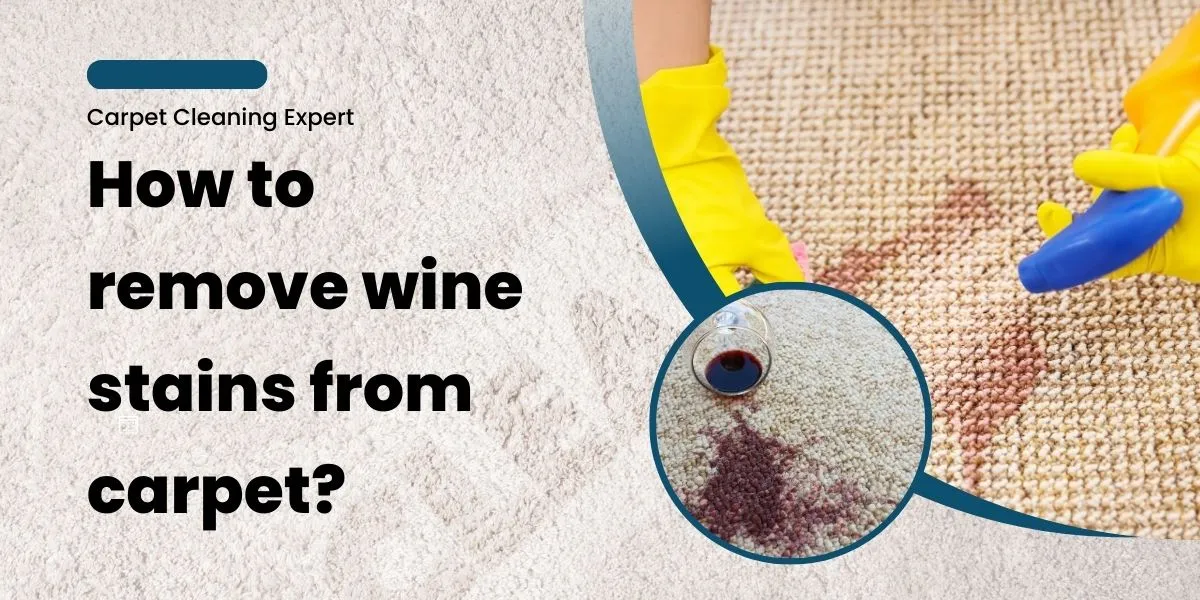
- Red wine: Blot immediately with cold water and a small amount of salt to absorb the liquid. Never rub. For set-in stains, professionals use oxidising agents that break down the tannins without bleaching surrounding fibres.
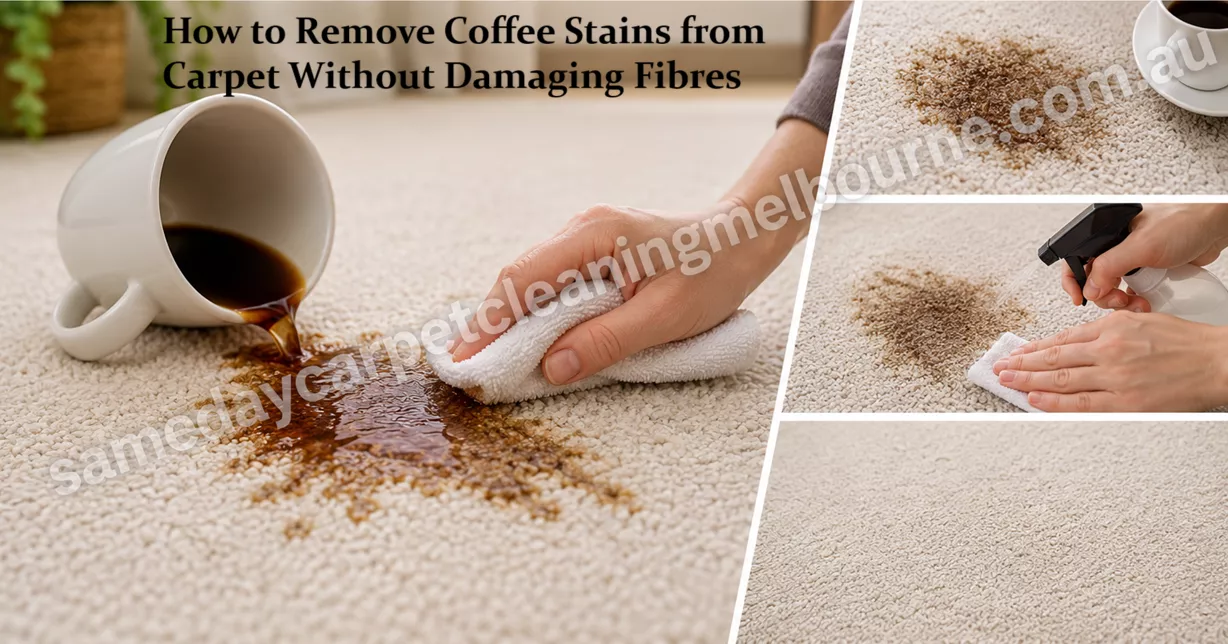
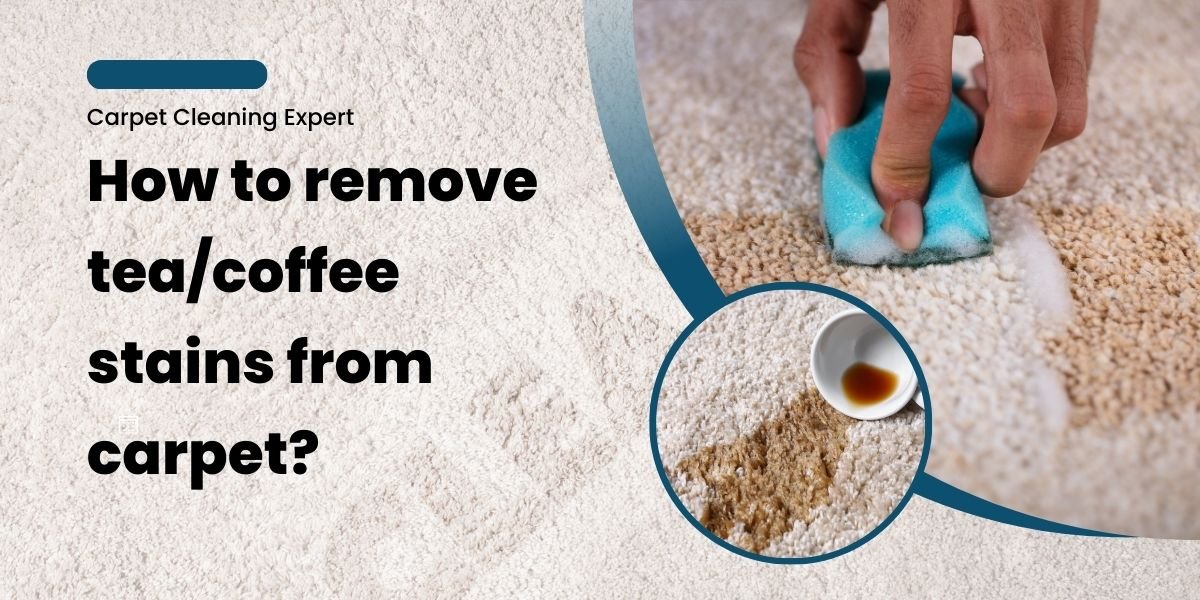
- Coffee: Blot from the outside in with cold water. A mix of dish soap and white vinegar works on fresh spills. Older coffee stains often require hot water extraction — you can read more about how to remove coffee stains from carpet without damaging fibres before attempting DIY treatment.
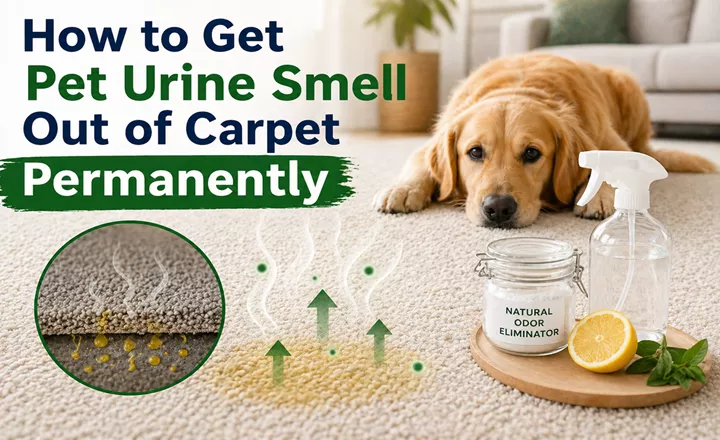
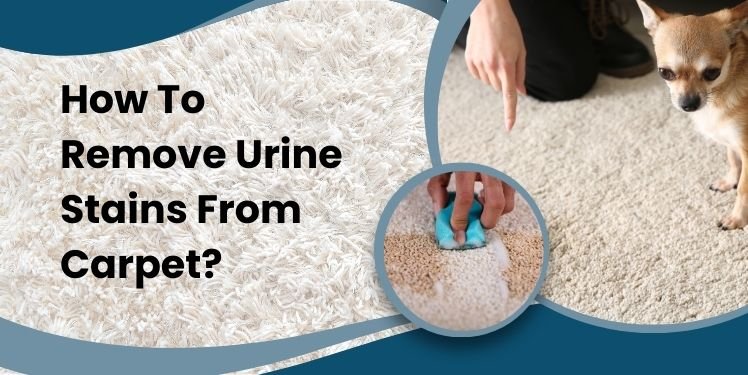
- Pet urine: Fresh urine responds to enzymatic cleaners that break down uric acid crystals. Dried urine soaks into the backing and underlay — DIY products rarely reach that deep. Professionals use UV detection lights to locate all affected zones, then treat with professional enzyme solutions.
- Mud: Let it dry completely first. Vacuum the dried residue, then treat with warm water and a small amount of detergent. Spreading wet mud makes it significantly worse.
- Blood: Cold water only — heat sets blood permanently. Hydrogen peroxide (3%) works on light-coloured carpets but can bleach darker fibres. Professionals use cold-water enzyme treatments for full removal.
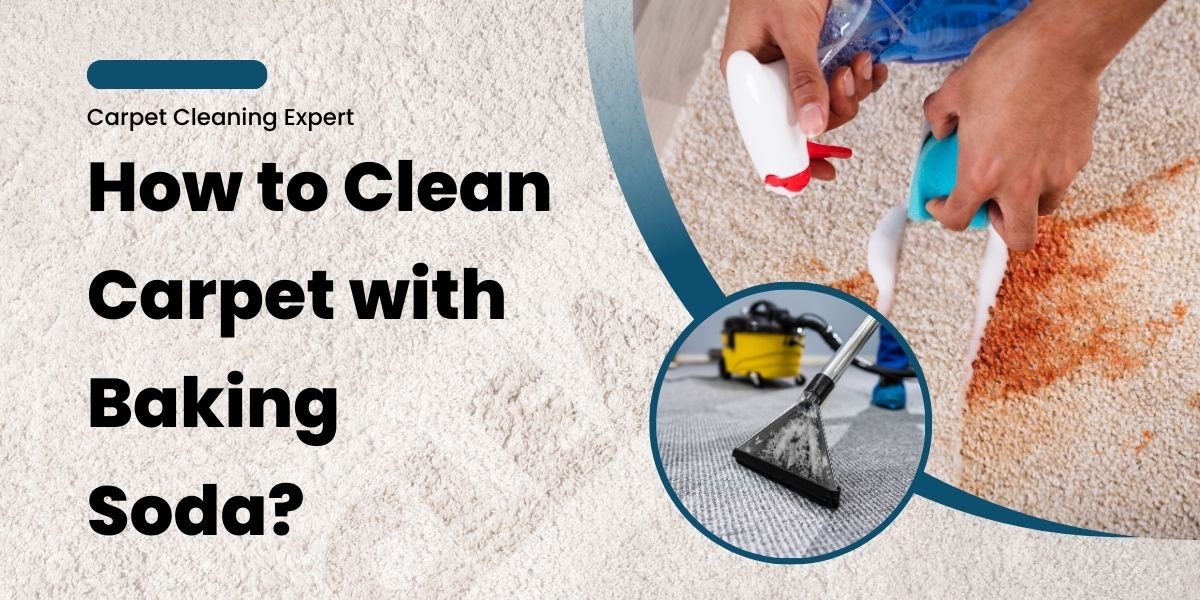
- Grease and oil: Apply baking soda or cornflour to absorb the grease before applying any liquid. Dish soap helps cut through fresh grease. Set-in grease needs solvent-based professional treatment.
- Tomato sauce: Scrape off solids first, then blot with cold water. The acidic pigment in tomato can permanently dye fibres if left more than a few hours.
- Ink: Isopropyl alcohol applied with a cotton ball can lift fresh ink. Ballpoint ink is easier than permanent marker. Both are notoriously difficult once dry — professional solvent application is usually needed.
- Chocolate: Let it harden, then scrape. Treat the residue with cold water and mild detergent. The fat content in chocolate can leave a greasy shadow even after the stain appears gone.
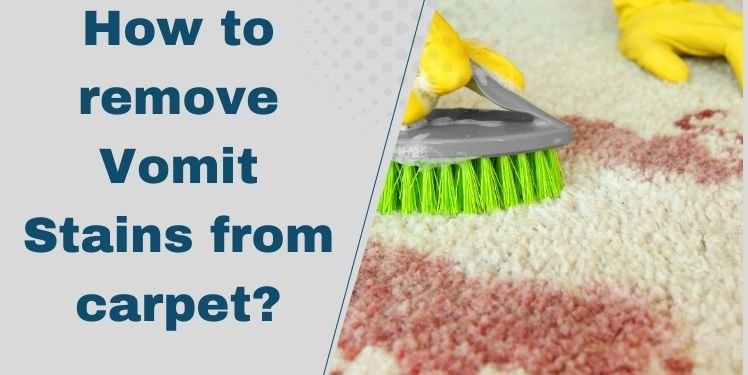
- Vomit: Remove solids, then neutralise with a baking soda and water paste. The acid content can damage carpet dye if left untreated. Professionals deodorise and sanitise beyond surface cleaning.
Pro Tip: The single biggest DIY mistake is rubbing a stain instead of blotting it. Rubbing pushes the stain deeper into the pile and spreads it outward. Always blot from the outer edge inward using a clean white cloth.
As a general rule: act within the first 10 minutes and you have a strong chance of full removal at home. Wait 24 hours or more, and most stains have bonded to the fibres — at that point, professional hot water extraction or safe solution spotting gives you the professional result.
Red Wine and Coffee Stains
Red wine and coffee are two of the most common carpet stains in Australian homes — and two of the trickiest to fully remove. Both contain tannins, which are natural compounds that bond aggressively to carpet fibres. The longer they sit, the deeper they set.
Why These Stains Are So Stubborn
Red wine also contains chromogens — the same pigment-producing molecules used in fabric dyes. That’s not a coincidence. When red wine soaks into carpet, it’s essentially dyeing the fibres. Coffee adds its own problem: it’s acidic, and the heat from a freshly spilled cup actually accelerates fibre penetration.
Pro Tip: Never rub a red wine or coffee spill. Blot from the outside edge inward using a clean white cloth. Rubbing spreads the stain and pushes it deeper into the carpet backing — which is exactly what makes it a “set-in” stain.
How Professionals Treat Red Wine and Coffee
Professionals don’t just use stronger versions of what’s under your sink. They apply enzyme-based pre-treatments that break down tannin molecules at a safe solution level before any extraction begins. After pre-treatment, hot water extraction (steam cleaning) flushes the loosened compounds out of the fibre — not just off the surface.
For older, dried stains, technicians often use oxidising agents that lift colour without bleaching the surrounding carpet. This is a precision process — the wrong product on a wool or nylon carpet can cause permanent fibre damage or colour loss.
- Fresh spill: Blot immediately, apply cold water, blot again — then call a professional if the stain is larger than a 10-cent coin.
- Dried stain: Rehydrate with cold water first, then apply a small amount of dish soap solution. Avoid heat — it sets the stain permanently.
- Set-in stain: DIY products rarely work. Professional enzyme treatment and steam extraction give the professional outcome.
Pet Urine and Faecal Stains
Pet accidents are among the most challenging carpet stains in Australian homes — not just because of the visible mark, but because of what you can’t see. Urine soaks through carpet fibres, through the backing, and into the underlay within minutes. By the time you notice it, the damage is already deeper than a surface clean can reach.
Why Pet Stains Smell Worse Over Time
Fresh urine is acidic. But as it dries, it converts to alkaline salt crystals that bond tightly to carpet fibres. Humidity — and Australia’s warm climate doesn’t help here — causes those crystals to reactivate, releasing that sharp ammonia smell again and again. Standard supermarket sprays mask the odour temporarily. They don’t break down the crystals.
Faecal matter adds a second layer of complexity. Solid waste carries bacteria that embed into fibres, and any smearing during removal spreads contamination further across the carpet surface.
What Professionals Do Differently
Technicians use enzyme-based treatments that biologically break down urine proteins and odour-causing bacteria at the molecular level — not just at the surface. For deep contamination, they’ll apply a sub-surface extraction resource that flushes solution down through the backing and pulls it back out, treating the underlay without removing the carpet.
If the underlay is saturated, it often needs replacement. No amount of cleaning fixes a urine-soaked underlay — the smell will always return.
Pro Tip: Before a professional arrives, blot (don’t scrub) fresh urine with a dry cloth to absorb as much liquid as possible. Scrubbing spreads the stain and pushes it deeper into the pile. Never use steam on a fresh urine stain — heat sets the proteins permanently into the fibres.
For older, set-in pet stains, professionals use UV black lights to map the full contamination zone, which is almost always larger than the visible stain. Treatment targets the entire affected area, not just what’s visible to the naked eye. This is especially important in rental properties where previous tenants’ pet accidents may not be obvious until a professional uses effective carpet stain removal approachs to locate and treat hidden damage.
Blood, Mud, and Dirt Stains
These three stains are among the most common carpet stains in Australian homes — and they’re also among the most mishandled. Most people make the same mistake: they treat them all the same way. That’s where the damage starts.
Blood Stains: Cold Water Is Non-Negotiable
Never use hot water on blood. Heat causes the proteins in blood to bond with carpet fibres permanently — the same way cooking sets an egg. Professionals always start with cold water and a clean cloth, blotting (never rubbing) to lift as much as possible before applying an enzyme-based cleaner. For dried blood, technicians rehydrate the stain with cold water first, then apply a low-pH enzymatic solution to break down the protein structure before extraction.
Mud Stains: Let It Dry First
This one surprises most homeowners. Attempting to clean wet mud spreads it deeper into the carpet pile. Professionals let mud dry completely, then vacuum up the bulk before applying any cleaning solution. Once the solid material is removed, a mild detergent solution handles the remaining residue. Rushing this step is one of the most common reasons mud stains become permanent.
Dirt and General Grime
Tracked-in dirt from shoes, garden work, and kids coming inside is a daily reality in most Australian households — especially during the wetter months. Surface dirt often looks worse than it is. A thorough dry vacuum first, followed by hot water extraction, removes embedded grit that regular vacuuming misses. Professionals use high-pressure rinse cycles to flush dirt out of the base of the pile rather than just the surface.
Pro Tip: For any protein-based stain (blood, sweat, food), always check the label before using a cleaning product. Alkaline cleaners can permanently set protein stains. Look for enzyme-based or low-pH formulas designed specifically for protein removal.
Grease, Oil, and Ink Stains
These three stains have one thing in common: they bond aggressively to carpet fibres, and water alone makes them worse. Grease and cooking oil spread when you try to blot them with a damp cloth. Ink — especially from ballpoint pens — can permanently dye synthetic fibres within minutes if treated incorrectly.
How Professionals Tackle Grease and Oil
Professionals start with a dry absorbent compound to lift surface grease before any liquid is applied. Applying moisture first drives oil deeper into the pile. Once the bulk is absorbed, a solvent-based pre-treatment breaks down the lipid bonds in the stain. Hot water extraction then flushes the residue out completely.
For cooking oil spills — common in open-plan homes where kitchens adjoin carpeted living areas — technicians may apply a second round of solvent treatment if the stain has had time to set. A stain that’s been sitting for 24 hours or more is significantly harder to remove than a fresh one.
Ink Stains: Why DIY Usually Fails
Most DIY advice recommends rubbing alcohol or hairspray for ink. These can work on fresh, small spots — but they also risk spreading the stain outward and bleaching certain carpet dyes. Professionals use focused ink solvents that dissolve the pigment without affecting carpet colour. The stain is worked from the outside edge inward to prevent spreading, then extracted under pressure.
Pro Tip: If you spill ink, resist the urge to scrub. Press a dry white cloth firmly over the stain to absorb as much pigment as possible, then call a professional. Every second you spend scrubbing pushes ink deeper into the backing.
Ball-point ink, printer ink, and permanent marker each require different solvents — which is why a single off-the-shelf product rarely works on all three. Professional technicians identify the ink type before selecting a treatment, a step most homeowners skip entirely. For a broader look at how pros handle stubborn marks, the guide on effective carpet cleaning approachs for tough stains covers the full range of solvent and extraction methods used on difficult stains.
Tomato Sauce, Chocolate, and Vomit
These three stains have one thing in common: they all contain a mix of proteins, fats, and pigments that bond to carpet fibres fast. The longer they sit, the harder they are to shift. Each one needs a slightly different approach, but speed matters for all of them.
Tomato Sauce
Tomato-based stains are notoriously stubborn because of their high acidity and red pigment. Professionals start by removing as much of the solids as possible with a blunt resource — never rubbing, always lifting. Then they apply an alkaline pre-treatment to neutralise the acid before using a low-pH rinse to pull the remaining pigment out of the fibres. DIY attempts that skip the pre-treatment step usually push the stain deeper.
Chocolate
Chocolate is a combination stain — fat, sugar, and dark pigment all at once. The worst thing you can do is apply hot water straight away, because heat sets the fat into the fibres permanently. Professionals use a cold solvent-based pre-spray first to break down the fat, followed by an enzyme solution to digest any protein residue. Only then is warm water used during the extraction phase.
Vomit
Vomit is one of the more unpleasant jobs, but it’s also one of the most important to treat correctly. It contains stomach acid, bile, and partially digested food — a combination that can bleach carpet fibres if left too long. Professionals remove the solids, then neutralise the acid with a baking soda-based compound before applying a bio-enzymatic cleaner that breaks down the organic matter at a molecular level. This is also what eliminates the smell, not just masks it.
Pro Tip: After treating a vomit stain, always follow up with a deodorising treatment — not a fragrance spray. The odour comes from bacteria, and only an enzyme-based product will actually destroy it. This is especially important in homes with young children or pets where re-soiling in the same spot is common.
All three of these stains respond poorly to generic supermarket carpet sprays, which rarely contain the enzyme or solvent compounds needed to fully break down the stain chemistry. If a DIY attempt has already been made, let your technician know — some household products leave residues that interfere with professional treatments.
What Professional Carpet Cleaners Actually Use (That You Can’t Buy at Bunnings)
Walk down the cleaning aisle at Bunnings and you’ll find shelf sprays, foam cans, and baking soda solutions. They’re fine for fresh spills. But for set-in stains, odours, and deep fibre contamination, professionals use a completely different resourcekit — and most of it isn’t available to the public.
Enzyme-Based Biological Cleaners
These are the go-to for pet urine, vomit, and blood stains. Enzyme cleaners don’t just mask the odour — they break down the organic molecules causing it at a molecular level. Professional-grade formulas contain concentrated enzyme strains that work far faster and deeper than anything sold in supermarkets. That’s why DIY pet stain sprays often leave a ghost smell behind, while a pro treatment eliminates it completely.
Alkaline and Acidic Pre-Sprays
Professionals match their pre-spray pH to the stain type. Alkaline pre-sprays break down grease, oil, and protein-based stains like meat juices or dairy. Acidic solutions tackle tannin stains — think red wine, coffee, and tea. Applying the wrong pH can actually set a stain permanently. That’s a mistake no DIY product warns you about clearly.
Hot Water Extraction Resource
Truck-mounted hot water extraction machines operate at temperatures above 90°C with water pressure that penetrates deep into carpet backing. This isn’t the same as hiring a Rug Doctor from the supermarket. Those rental units produce lukewarm water at low pressure — enough for light maintenance, not enough to flush out embedded contamination.
Pro Tip: Before a professional arrives, blot (don’t scrub) any fresh stain and avoid applying supermarket sprays. Some retail products contain optical brighteners or bleaching agents that react badly with professional pre-sprays, making the stain harder — or impossible — to remove.
Specialty Spotting Agents
Professionals carry a kit of focused spotters: rust removers, ink solvents, chewing gum freeze sprays, and tannin treatments. Each one is formulated for a specific stain chemistry. You can learn more about how these methods work together in this guide to carpet cleaning innovations in 2026. The difference between a stain that lifts and one that stays often comes down to which spotter is applied — and in what order.
Hot Water Extraction vs Steam Cleaning: What’s the Difference?
These two terms get used interchangeably all the time — but they’re not the same thing. Knowing the difference helps you understand what your carpet actually needs, especially when dealing with stubborn or set-in stains.
Hot Water Extraction: What It Actually Does
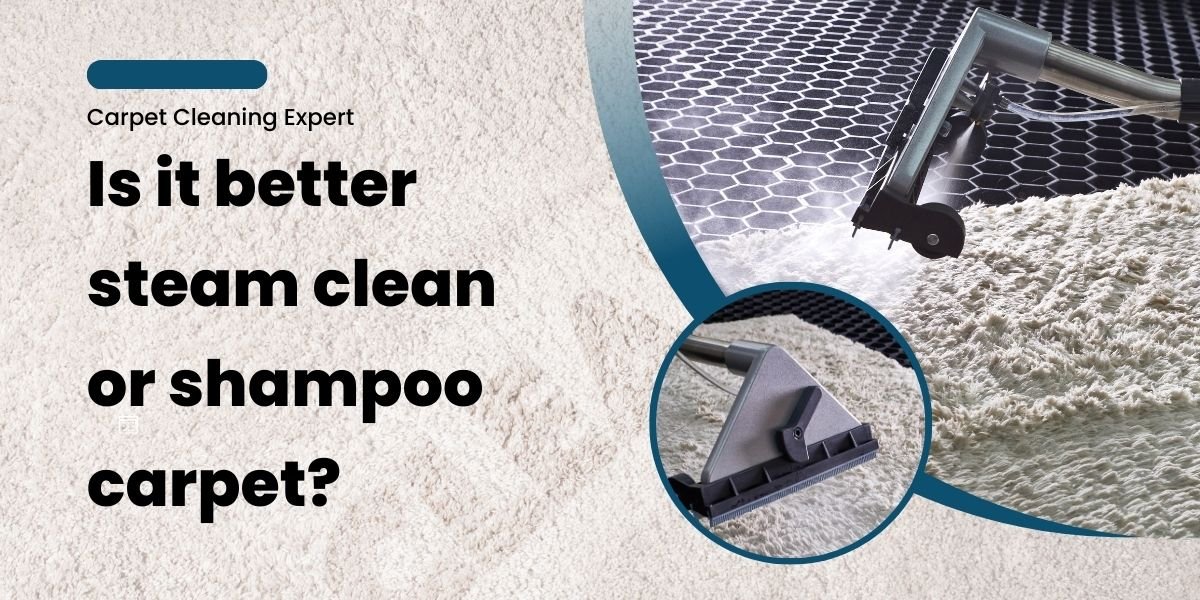
Hot water extraction (HWE) is the method most professional carpet cleaners use in Australia. A machine injects hot water mixed with a cleaning solution deep into the carpet fibres under high pressure, then immediately extracts it along with dissolved dirt, stains, and allergens. The water temperature typically sits between 60°C and 80°C — hot enough to break down grease, protein-based stains, and bacteria, but not pressurised steam.
True Steam Cleaning: Where It Fits
Steam cleaning uses vapour at temperatures above 100°C with very little moisture. It’s excellent for sanitising hard surfaces and killing dust mites, but it’s rarely used on carpets as a primary stain removal method. Too much dry heat can set certain stains permanently and damage synthetic fibres common in Australian homes.
Pro Tip: When booking a carpet cleaner in Australia, ask specifically whether they use professional hot water extraction. Truck-mounted systems generate stronger suction and higher heat than portable units, meaning carpets dry faster — usually within 2–4 hours — and stains are extracted more thoroughly.
Which Method Works Professional for Stain Removal?
For the common carpet stains covered in this article — red wine, coffee, pet urine, mud, grease — hot water extraction consistently outperforms steam-only methods. The combination of heat, cleaning agents, and powerful suction pulls stain residue out of the pile rather than just treating the surface. Most Australian carpet manufacturers also recommend HWE as the preferred deep-clean method, and it’s the standard used by IICRC-skilled technicians.
Conclusion
Carpet stains are inevitable — but permanent damage doesn’t have to be. Whether it’s a red wine spill at a dinner party or a muddy footprint tracked in from the garden, knowing how professionals approach each stain type gives you a real advantage.
- Act fast: Fresh stains are always easier to remove than dried, set-in ones — blot immediately and avoid rubbing.
- Match the method to the stain: Protein-based stains (blood, egg) need cold water; oil-based stains need a solvent; tannin stains (coffee, wine) need an oxidising agent.
- DIY has limits: Home treatments can reduce a stain, but hot water extraction and professional-grade enzymes deliver results that household products simply can’t match.
- Protect your investment: Professional carpet cleaning in Australia typically costs A$25–A$45 per room — far less than early carpet replacement.
- Fibre matters: Wool, nylon, and polypropylene all react differently to cleaning agents — using the wrong product can permanently damage your carpet.
Most stains that look ruined aren’t. A skillsd carpet cleaning technician with the right chemistry and resource can recover carpets that DIY methods have already made worse. If you’ve tried the home remedies and the stain is still there, that’s your signal to call in a professional before the damage becomes irreversible.